
Roshan Singh Sambhi
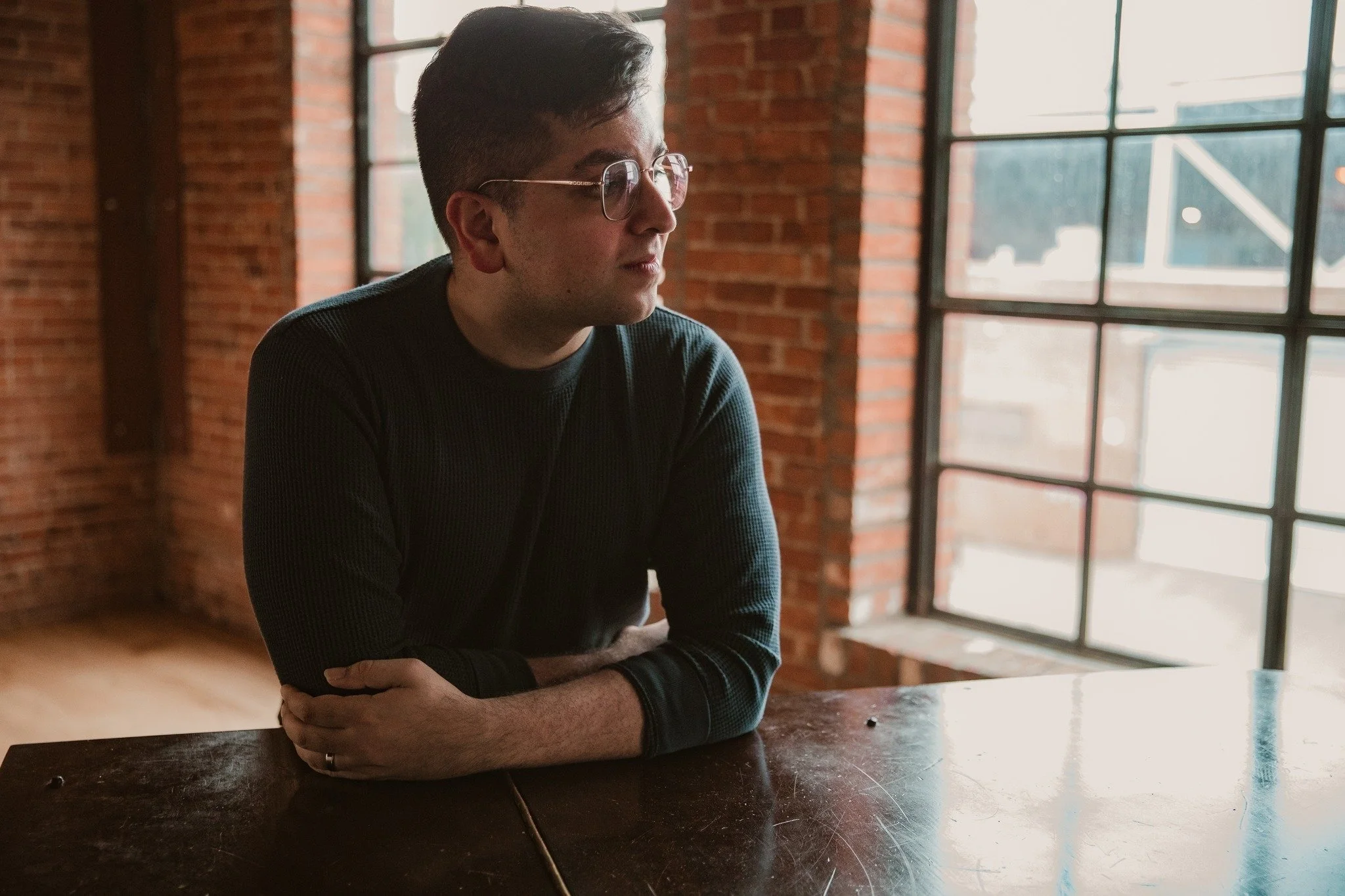
Roshan Singh Sambhi is a Singaporean NYC-based creative. He is a Lead Producer, Writer and Assistant Director on DC High Volume: Batman, and the founder of the multimedia company Andas Productions.
Describe the kind of podcasts Andas makes in 10 words or less.
Meticulously crafted and passionate storytelling that respects our audience.
You’ve won many awards for your work in audio fiction, and your latest show Catskull, a neo-noir Singaporean thriller, continues your trend of globally influenced storytelling. What drew you to adapt this particular book for audio?
Most of our team met in college in Singapore, so the "global influence" admittedly comes naturally. We're always looking at stories and creators around us that we're passionate about. We'd been collaborating with [author] Yan for years on video games and Comic Sans, so when catskull came out in 2023 we were already fans. At that time we were keen on creating a new long-form audio fiction show, and our work on DC High Volume: Batman had given us a crash-course in creating audio drama at scale.
It's incredible how perfectly suited catskull is for audio adaptation. The book lends itself to the 'total immersion' experience you really want in character-driven audio fiction -- Ram is such a dynamic character voice. You might feel like you completely understand him one moment, and can be rocked out of your seat the next. That, and the novel was originally written by Yan in a sort of episodic structure -- with cliff-hangers, and a 'tune in next week' quality that couldn't have been better suited to this release structure.
Much of your past work explores identity, place, and power through fictional narratives. How does Catskull build on or depart from the themes you’ve explored before?
It's heavier than fans of our prior work may expect. This is a subversive thriller set in modern-day Singapore, explicitly about the darkness that festers in a city exclusively cast in bright lights. As our first modern-day show -- let alone our first set in Singapore -- it was our first time playing in a sonic space that comes close to "real" for many on our team. (We even engaged a field recordist!) That proximity to realism, in a story that doesn't hold any punches, makes for one of the most viscerally affecting shows we've put out.
That said, the intimate engine will be familiar to fans of our work. Genre is important to us -- we don't cling to any in particular, but we want to honor each show's genre expectations. Temujin was a historical epic told through a boyhood friendship. Sayang was solarpunk through the embers of a romantic relationship. Here, Ram and Kass' friendship grounds this incredibly specific world of modern-day Singapore. What we learned is that strong character relationships can hook audiences into just about any world -- here, we're using that same technique to introduce global listeners to one we happen to know intimately ourselves.
You’ve created several standout audio fiction projects. What draws you to the fiction space?
I grew up in a family of professional degrees - doctors and lawyers who'd come home late, exhausted from doing important work and helping people. In their most vulnerable hours, both physically and emotionally drained, I would see them turn to fiction as a refuge -- old sitcoms, crime novels, whatever the mood called for. That always stuck with me. The people doing important work, the work we consider most directly necessary for societal function, still need something to come home to.
We sometimes joke that we're doing it all for the "exhausted 8pm listener", but it's true. We love that audio fiction allows us to tell stories at an accessible price point for listeners (read: free), that can meet them wherever they're at. It's guilt-free, as we think fiction consumption should generally be.
What inspired you to step outside fiction and into a pop culture conversation space with Comic Sans, your podcast for both beginner and expert comic readers?
The mythologized story is that Nathaniel Mah, our resident sound expert, imagined a tweet from Yan inviting people to ask him comic questions. As far as we can tell, that tweet never existed, but Nat was a fan of the podcast Musicalsplaining and thought it'd be fun to do a spin on that with Yan about comics. From there, we approached Yan, who relentlessly mocked Nat for the hallucinated tweet, and then went full speed ahead.
Rather than feeling like a "step outside", I'd say it was the quintessential Andas project: a genuine moment of whimsy that everyone took completely seriously, until we were completely in the thick of it and in love with what we were making.
Your work on DC High Volume: Batman brought your signature cinematic style to one of the most iconic characters in global pop culture. What is it like working with an established universe like DC?
The funny thing is, so much of our existing work had trained us for exactly this sort of opportunity. As you've noticed, we're big fans of adaptation - almost everything we've done has been an adaptation of some kind. Even Sayang was based on an existing short story by Nicholas Chan. There's something inherently joyous about approaching source material with the intent to celebrate it, uplift it, and scrutinize it carefully for both literal detail and metaphysical spirit - emphasizing exactly the things that made you fall in love with it in the first place. Going from visuals to audio made it especially fun in a way, because it's more abstract - you're asking yourself, does this sonic moment convey the visual splendor of a full-page spread of Batman doing something awesome? That spiritual element of adapting "vibe" alongside plot has been one of our favorite challenges.
And with the DC universe specifically, we were so fortunate because our team is largely comprised of people in love with these stories and characters already. I imagine there's a world where you have the unenviable task of going, "I wonder why people like this?" That couldn't have been further from it for us - the work has felt so impassioned, like each episode is an argument we get to craft about why such-and-such character is incredible, or the worst, or underrated. To answer your question directly, it's all a dream come true, and we hope that audio and comic fans like us feel we're doing these wonderful stories justice.
What’s a podcast that’s recently inspired you creatively?
I always return to The Tower by Tin Can Audio—which, incidentally, has a finale coming out in Nov 2025!
It's endlessly imaginative, with some of the most naturalistic performances I've heard in audio, and scored so thoroughly and beautifully that the whole show just moves like music. It's always the first show I recommend to people who are getting into this medium, and the kind of high art I constantly aspire to.
Thanks, Roshan!